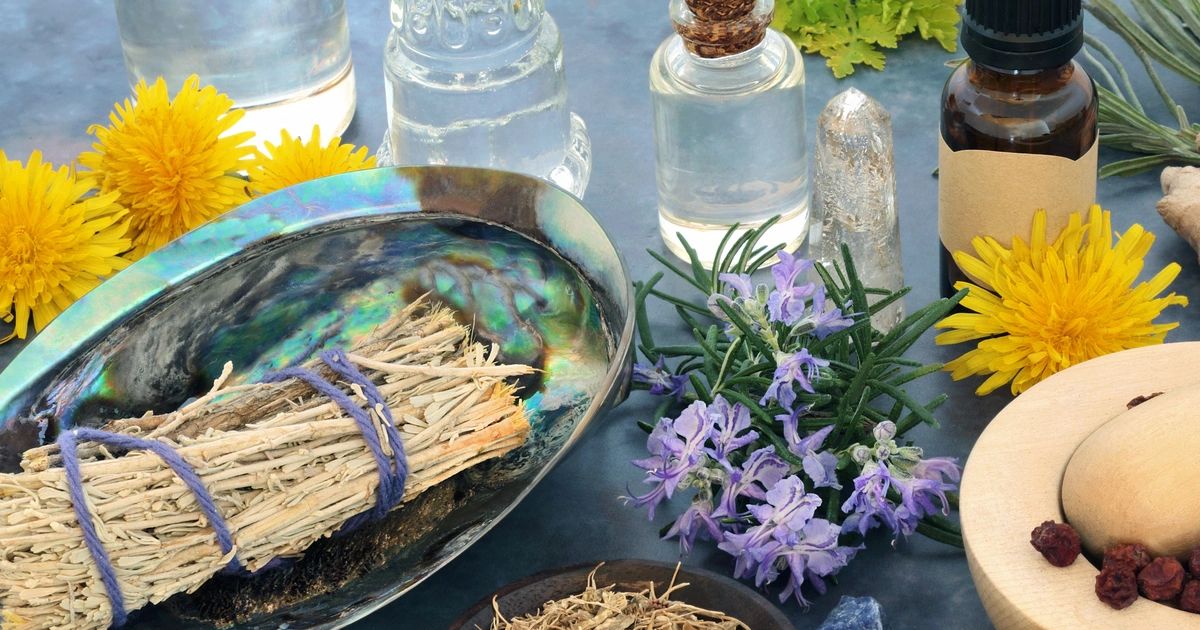
For thousands of years, indigenous cultures across the Americas have used plant medicines as sacraments — tools for healing, vision, and communion with the sacred. Today, a growing number of religious organizations in the United States are asserting their constitutional right to continue these traditions under the protection of federal law.
The Religious Freedom Restoration Act is the legal foundation for that assertion. Understanding how it works — and how courts have applied it — is essential for anyone navigating the intersection of psychedelics and religious practice.
The Legal Foundation: RFRA in Plain Language
Congress passed the Religious Freedom Restoration Act in 1993 in response to a Supreme Court decision that had weakened First Amendment protections for religious minorities. RFRA restored a higher standard: the government must demonstrate a compelling interest and use the least restrictive means before it can substantially burden religious exercise.
This is a demanding standard. It means that "the law applies to everyone" is not, by itself, a sufficient justification for criminalizing a sincere religious practice.
The Landmark Cases
Gonzales v. O Centro (2006)
The most important psychedelic religious freedom case in American history was decided unanimously by the Supreme Court. The União do Vegetal, a Brazilian-American church, used ayahuasca — a Schedule I substance — as its central sacrament. The government argued that the Controlled Substances Act left no room for religious exemptions.
Chief Justice John Roberts, writing for a unanimous court, disagreed. The government had not demonstrated a compelling interest sufficient to override the church's sincere religious practice. The UDV was entitled to use ayahuasca in its ceremonies.
The Native American Church
Long before O Centro, the Native American Church had secured federal protection for its sacramental use of peyote — another Schedule I substance. The DEA has maintained a formal exemption for the NAC for decades. This exemption is the direct legal model for the petitions being filed by churches like The Singularity Church of the Toad and Breathwork today.
The Expanding Landscape
Since O Centro, courts have ruled in favor of several other religious organizations seeking RFRA protection for ayahuasca use. The legal trend is clear: sincere religious organizations with established practices, genuine communities, and documented beliefs have a strong legal foundation for seeking exemptions.
What Makes a Religious Organization "Sincere"?
Courts look at several factors when evaluating whether a religious organization's beliefs and practices are sincere:
- Founding story and history: Is there a genuine origin narrative? A reason the organization exists?
- Statement of beliefs: Are the religious beliefs articulated and consistent?
- Community: Is there an actual community of members, or is the "church" a legal fiction?
- Ceremonial protocols: Are the sacramental practices structured, supervised, and consistent with the stated beliefs?
- Screening and safety: Does the organization take the wellbeing of its members seriously?
The Singularity Church of the Toad and Breathwork meets every one of these criteria. Our founder Francisco's story, our statement of beliefs, our multi-step screening process, our medically supervised ceremonies, and our community of members all reflect a sincere and deeply held religious practice.
The Path Forward
The legal landscape for psychedelic religious freedom is shifting. State-level decriminalization, growing scientific evidence for therapeutic benefits, and a series of favorable court decisions have created an environment in which sincere religious organizations have a genuine path to legal protection.
That path requires legal expertise, financial resources, and the courage to take the fight to the courts and the DEA.
The Singularity Church of the Toad and Breathwork is walking that path. We are doing it for our members, for the broader community of people who have found healing through sacred ceremony, and for the principle that religious freedom in America means something.
Join us in funding the legal fight for sacred healing.
The right to heal is sacred. The law, increasingly, agrees.